
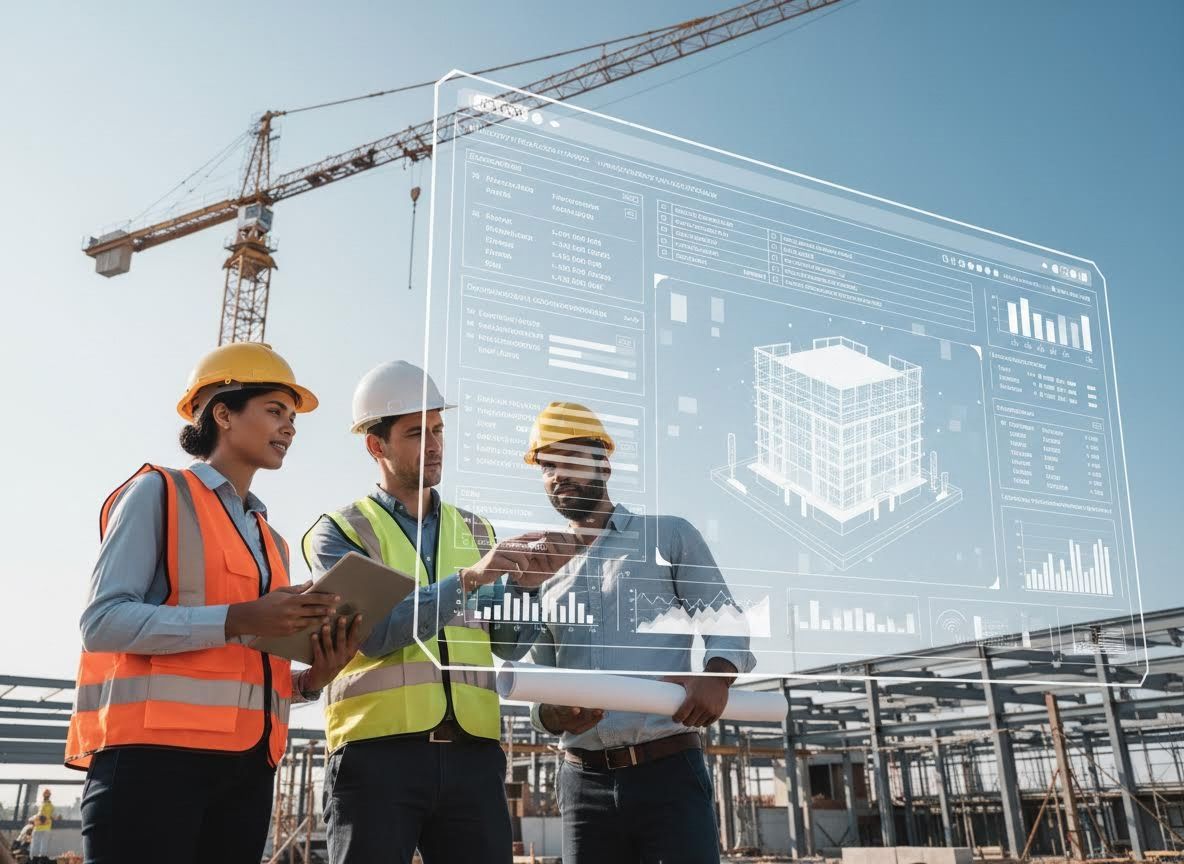
Navigating the complexities of modern construction projects demands precision, efficiency, and foresight. As we look towards 2026, the landscape of construction management continues to evolve rapidly, making the right software choice more critical than ever for company owners. This guide will walk you through the essential considerations for selecting a construction planner software that not only meets today's demands but also positions your company for future success. JobPlanner, for instance, understands these evolving needs, offering solutions designed with construction professionals in mind.

The Evolving Demands on Construction Planning
The construction industry is experiencing a significant digital transformation, pushing traditional planning methods to their limits. By 2026, successful firms will be those that embrace integrated, data-driven solutions capable of managing increasingly complex projects. This means moving beyond static spreadsheets and disparate systems to comprehensive platforms that offer real-time insights. The focus has shifted from merely tracking tasks to predicting outcomes, optimizing resource allocation, and fostering seamless collaboration across all project stakeholders, from general contractors to commercial subcontractors.
Key Features for 2026 and Beyond
When evaluating construction planner software, a robust set of features is paramount. Prioritize solutions that offer integrated project scheduling, allowing for dynamic adjustments and clear visualization of timelines through intuitive interfaces like Gantt charts. Effective resource management capabilities are crucial for optimizing labor, equipment, and material usage, preventing costly delays and waste. Look for strong financial oversight tools, including detailed budget tracking and cost-to-completion analysis, to maintain project profitability. Furthermore, modern software must include advanced collaboration features, enabling real-time communication, document sharing, and streamlined workflow approvals, ensuring every team member is on the same page, regardless of their location.

Beyond Functionality: Strategic Considerations for Your Investment
While features are important, a truly strategic software choice extends to other critical aspects. Consider the platform's scalability; can it grow with your business, handling an increasing number of projects and users without performance issues? Integration capabilities are equally vital, as your planner software should seamlessly connect with existing accounting systems, CRM, and other operational tools to create a unified data ecosystem. Data security and compliance with industry standards are non-negotiable, protecting sensitive project information. Lastly, assess the quality of customer support and the availability of training resources. A user-friendly interface combined with excellent support ensures high adoption rates and maximum return on investment for your team.
Choosing the right construction planner software in 2026 is an investment in your company's future, enabling more efficient project execution and enhanced profitability. Solutions that are both cost-effective and user-friendly, designed by professionals who understand the contractor industry, are invaluable for streamlining your operations. To learn more about how a purpose-built platform can help your team manage projects more effectively and achieve their goals, we invite you to explore the benefits of advanced construction planning software.