
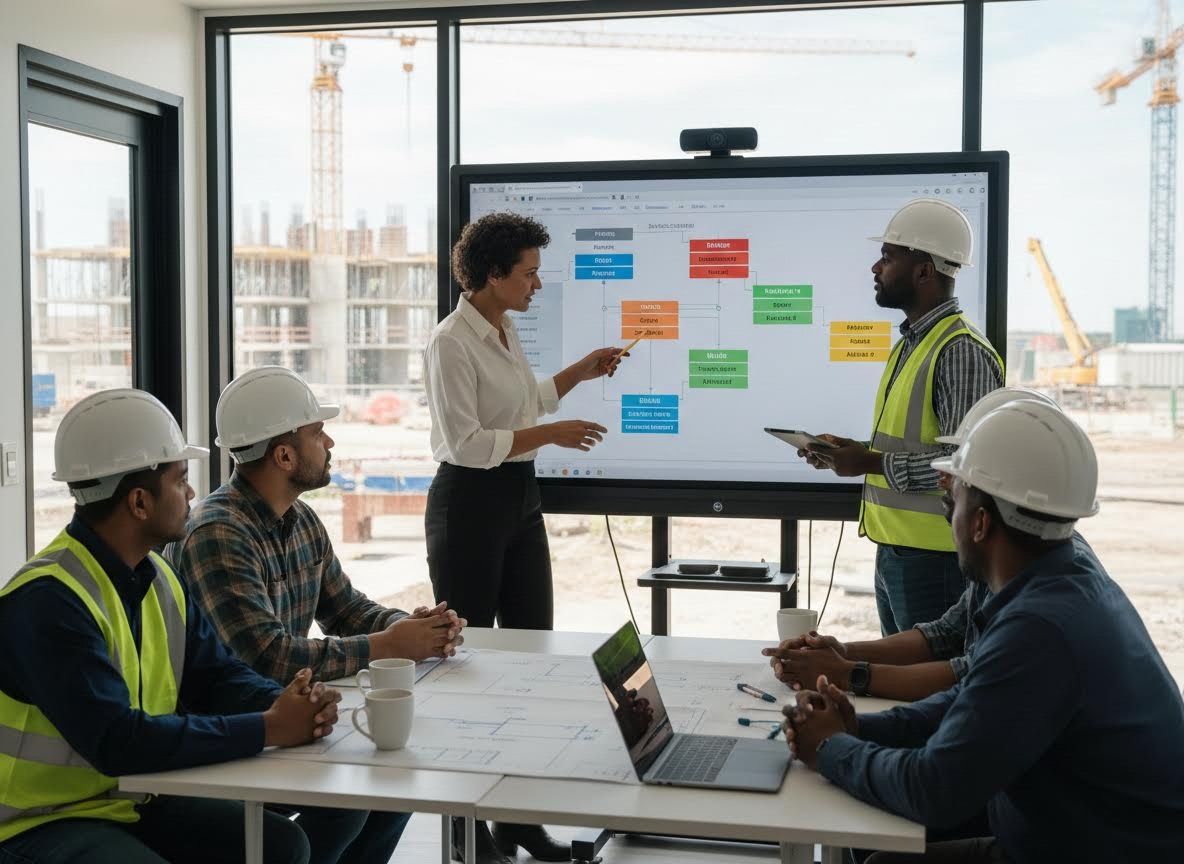
The construction industry, known for its intricate planning and long project lifecycles, is increasingly facing dynamic challenges that demand greater adaptability. Traditional, linear project management methodologies, while foundational, can sometimes struggle to keep pace with rapid changes in client demands, material availability, or regulatory landscapes. This is where agile project management, a methodology rooted in flexibility, collaboration, and continuous improvement, offers a transformative approach for modern construction teams, helping them navigate complexities and deliver successful outcomes more efficiently. Job Planner is committed to equipping contractors with the tools to embrace these innovative strategies.
Understanding Agile Principles in a Construction Context
Agile project management, often associated with software development, centers on iterative cycles, continuous feedback, and adaptive planning. In construction, this translates to breaking down large projects into smaller, manageable phases or "sprints." Instead of a rigid, upfront master plan that's difficult to alter, agile encourages constant evaluation and adjustment. This allows construction companies to respond quickly to unforeseen challenges, incorporate changes efficiently, and ensure alignment with client expectations throughout the project's duration. It's about moving from a "plan-driven" to a "value-driven" approach, focusing on delivering tangible results incrementally.
Key Benefits for General Contractors, Managers, and Subcontractors
Adopting agile principles can unlock significant advantages across the construction sector. For general contractors, it fosters greater transparency and collaboration with clients and subcontractors, leading to better communication and fewer misunderstandings. Construction managers can leverage agile to improve resource allocation, identify potential bottlenecks earlier, and streamline workflows, ultimately enhancing overall project control and efficiency. Subcontractors benefit from clearer, shorter-term objectives, enabling them to focus their efforts and integrate their work more seamlessly into the broader project schedule. This collaborative framework ensures that all stakeholders are aligned and working towards shared goals, reducing rework and accelerating project completion.
Implementing Agile Principles with the Right Technology
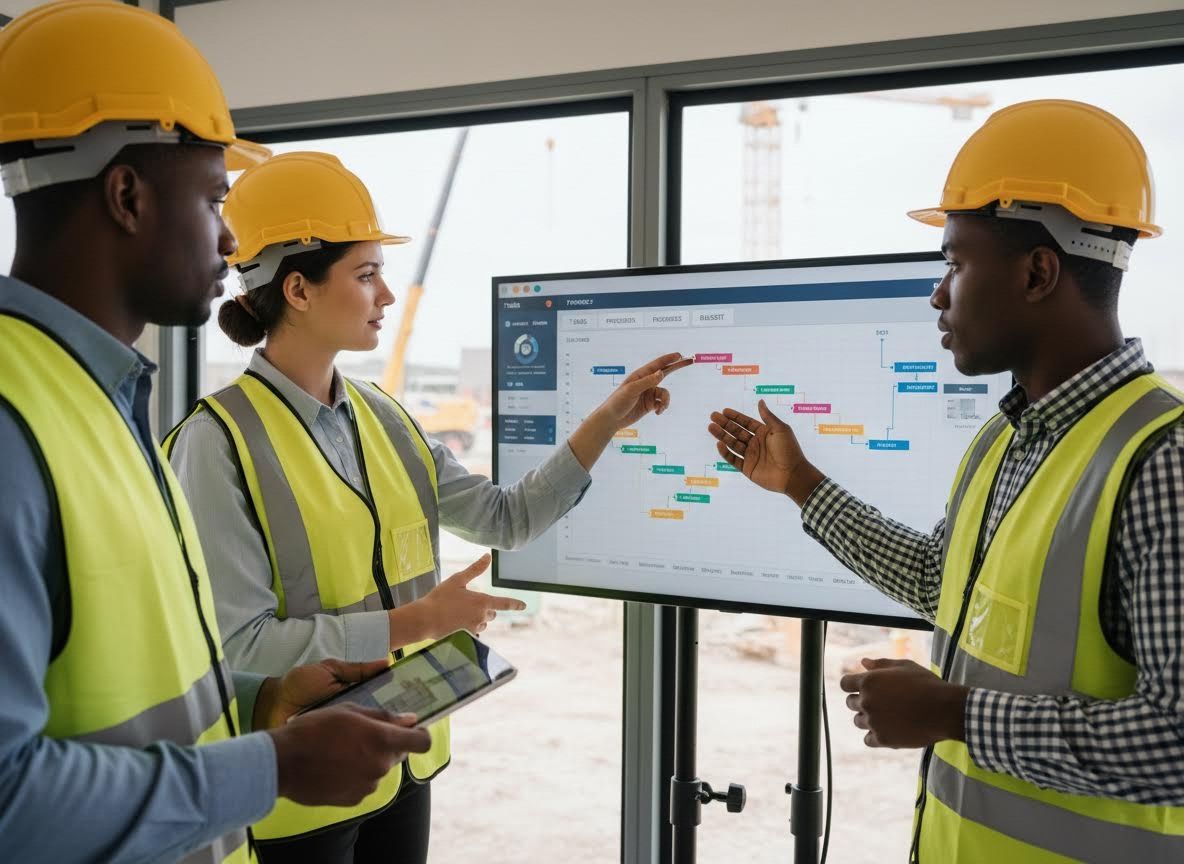
Embracing agile in construction is significantly enhanced by leveraging powerful technological solutions. Robust construction management software becomes indispensable for orchestrating these dynamic workflows. Such platforms facilitate comprehensive project management software capabilities, allowing teams to track progress in real-time, manage tasks iteratively, and communicate effectively across all phases. Furthermore, integrated solutions can streamline critical processes like bid management, ensuring that proposals are agile enough to incorporate new information and market shifts. For financial oversight, precise job costing features within these systems allow for continuous monitoring of expenditures against evolving project scopes, providing the necessary data for adaptive decision-making and maintaining profitability.
The shift towards agile project management empowers construction professionals to build with greater flexibility, efficiency, and client satisfaction in mind. By breaking down complex projects into manageable iterations and fostering continuous collaboration, teams can navigate the unpredictable nature of modern construction with confidence. To learn more about how integrated construction management software can support your journey towards more agile and successful project delivery, explore solutions designed to streamline your operations from bid management to job costing and beyond.