
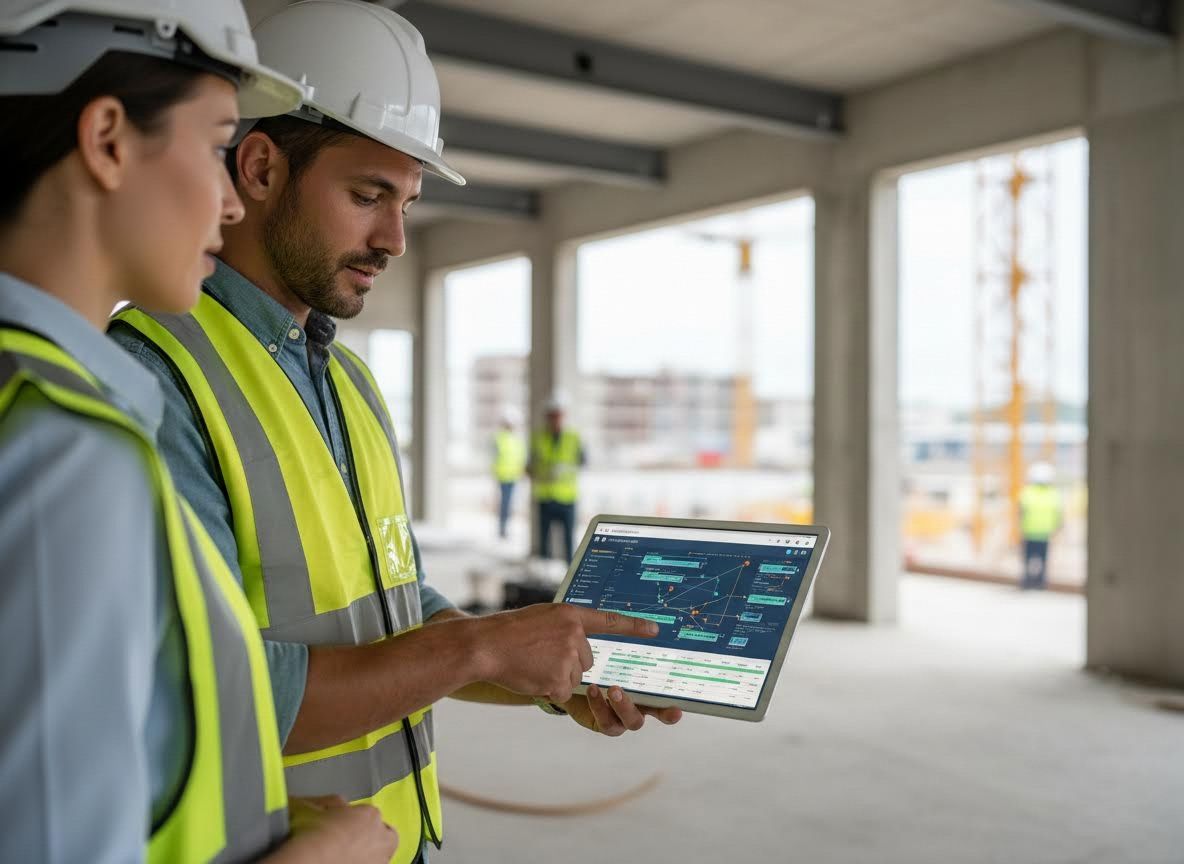
In the dynamic world of construction, unforeseen delays and schedule deviations are common challenges that can impact profitability and client satisfaction. Achieving truly predictable deadlines has long been a pursuit for project managers, but with the advent of artificial intelligence, this goal is becoming a tangible reality. JobPlanner understands the critical importance of keeping projects on track, and the integration of AI into scheduling processes offers a transformative approach to managing complex construction timelines, ensuring projects are completed efficiently and reliably.
The Traditional Hurdles to Project Predictability
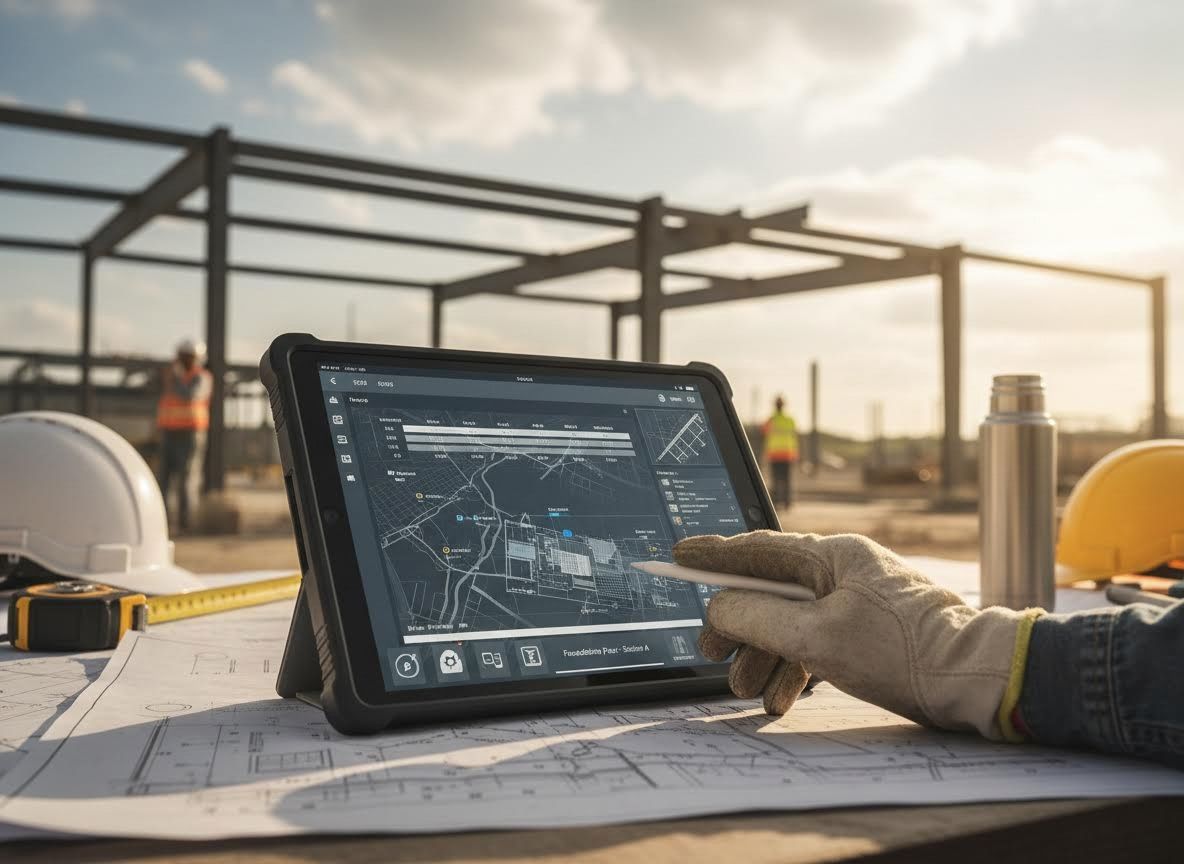
For decades, construction scheduling has relied heavily on manual estimates, historical data, and the experience of project managers. While invaluable, these methods often struggle to account for the myriad of variables that can arise on a job site—from unexpected weather patterns and material delivery delays to equipment breakdowns and labor availability issues. The sheer complexity of interdependent tasks, resource allocation, and subcontractor coordination makes it incredibly difficult to anticipate every potential bottleneck. This reliance on static schedules means that once a project is underway, deviations often lead to a domino effect, pushing back deadlines and inflating costs, making accurate bid management a constant challenge.
How AI Elevates Project Scheduling Accuracy
Artificial intelligence introduces a new paradigm for project scheduling by leveraging vast amounts of data to identify patterns and predict future outcomes with remarkable precision. AI algorithms can analyze historical project data, real-time site information, external factors like weather forecasts, and even market trends to create dynamic, adaptive schedules. This goes beyond simple automation; AI can simulate various scenarios, assess potential risks, and recommend optimal pathways for task sequencing and resource allocation. It integrates seamlessly with construction management software, transforming raw data into actionable insights, helping project managers proactively adjust plans and mitigate potential delays before they occur, ensuring a more reliable project management software experience.
Tangible Benefits for Construction Company Owners
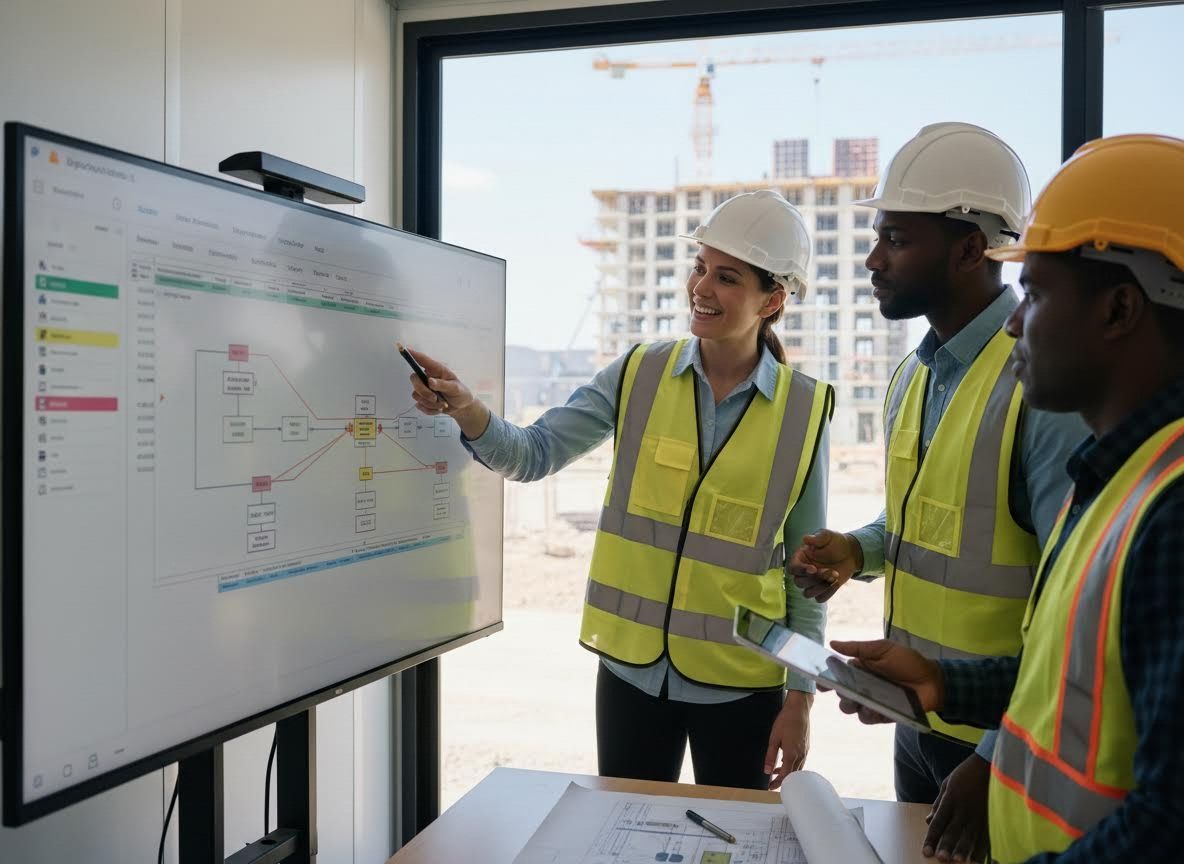
Implementing AI-powered scheduling offers substantial advantages for construction company owners. Firstly, it leads to significantly more accurate project timelines, reducing the frequency of costly overruns and missed deadlines. This enhanced predictability allows for better resource utilization, ensuring labor and equipment are deployed efficiently, minimizing idle time and maximizing productivity. Furthermore, AI contributes to more precise job costing, as the ability to foresee and mitigate delays means a clearer understanding of expenses. Clients benefit from reliable delivery dates, strengthening relationships and enhancing the company's reputation. Ultimately, AI transforms project scheduling from a reactive process into a proactive, strategic advantage, enabling construction businesses to operate with greater efficiency and confidence.
The journey towards fully predictable construction project deadlines is significantly accelerated by the adoption of AI. By harnessing the analytical power of artificial intelligence, construction firms can move beyond reactive problem-solving to proactive planning, ensuring projects remain streamlined and on schedule. To learn more about how advanced technologies can transform your project workflows and bring new levels of efficiency to your operations, explore the resources available through Job Planner.