
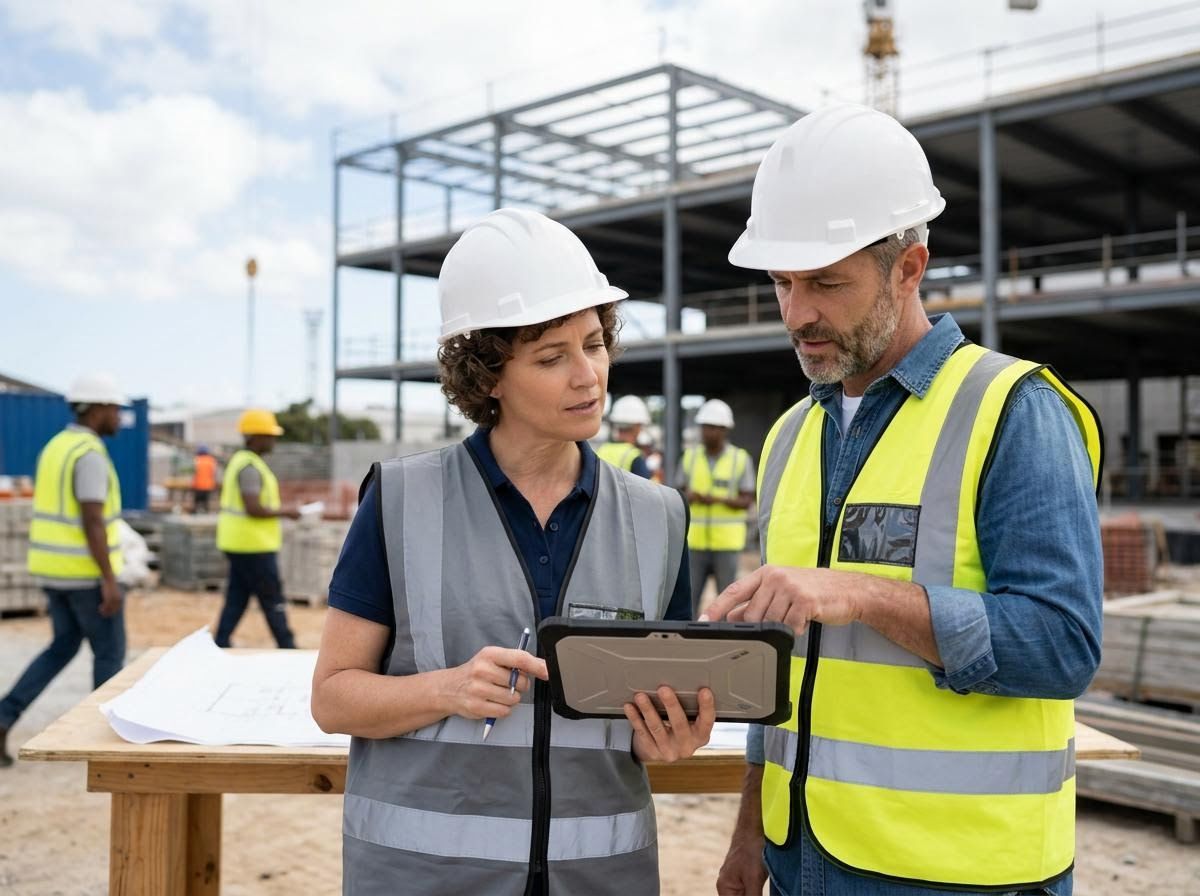
Managing a construction project successfully hinges significantly on the efficient coordination and performance of subcontractors, a task that often presents complex challenges for General Contractors. From initial vetting to final payments, streamlining these interactions is crucial for maintaining project timelines, budgets, and quality standards. At Job Planner, we understand these intricacies and the vital role effective subcontractor management plays in overall project success, offering innovative solutions designed to simplify this essential aspect of your operations. This guide explores key strategies and modern approaches to empower General Contractors in optimizing their subcontractor relationships and workflows.
The Complexities of Subcontractor Management
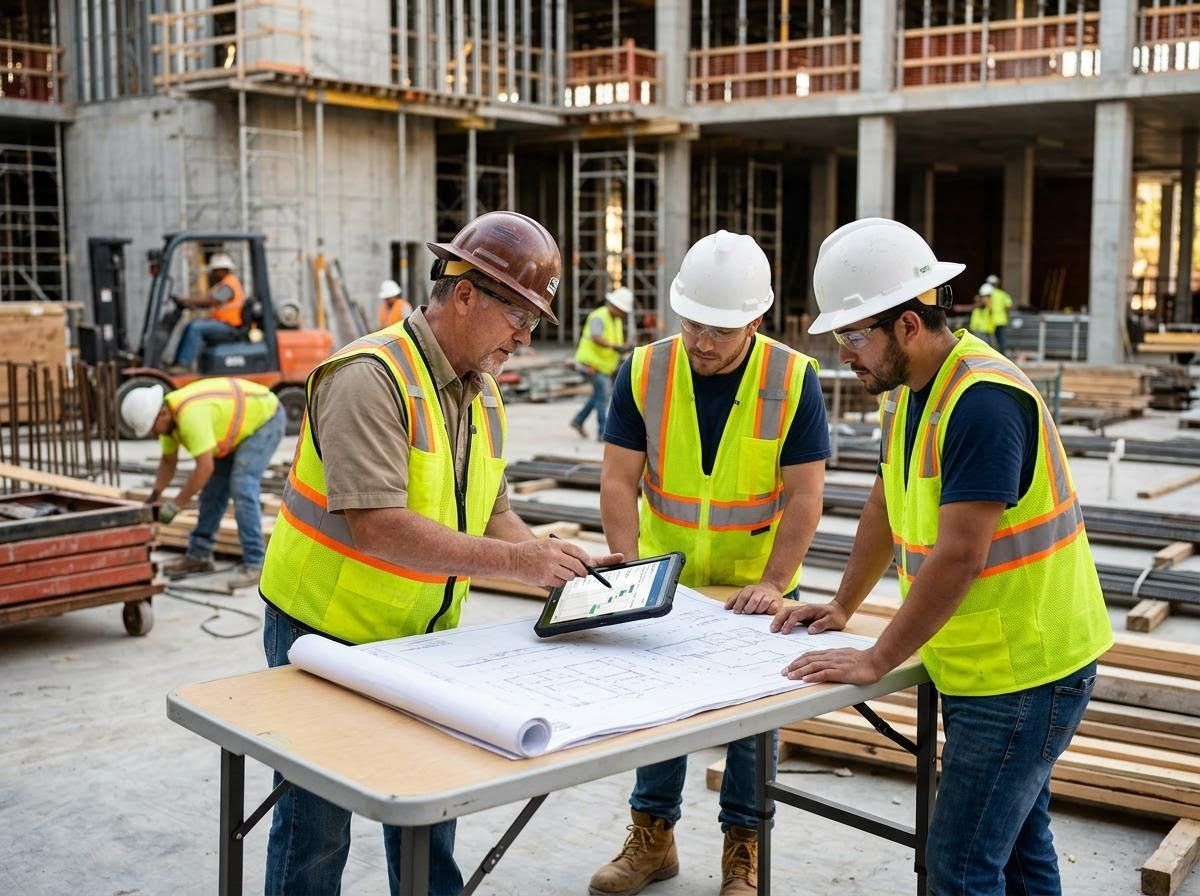
General Contractors face a multitude of challenges when working with subcontractors. Ensuring clear communication across multiple parties can be a significant hurdle, often leading to misunderstandings, delays, and cost overruns. Beyond communication, managing diverse contracts, ensuring compliance with safety regulations and project specifications, and meticulously tracking progress and payment schedules requires a robust and organized approach. Without streamlined processes, GCs can find themselves bogged down in administrative tasks, diverting valuable time and resources from core project execution. The sheer volume of documentation, from bids and insurance certificates to change orders and invoices, further compounds these complexities, demanding efficient systems to prevent errors and ensure accountability.
Essential Strategies for Effective Collaboration
To truly streamline subcontractor management, General Contractors must implement clear, proactive strategies. Firstly, a rigorous vetting process is non-negotiable; understanding a subcontractor's capabilities, track record, financial stability, and safety history upfront can prevent costly issues down the line. Secondly, establishing clear, comprehensive contracts that outline scope of work, timelines, payment terms, and dispute resolution mechanisms is paramount. These documents serve as the foundation for all interactions. Thirdly, fostering open and consistent communication channels ensures that all parties are aligned on project goals, progress, and any emerging challenges, encouraging a collaborative rather than adversarial relationship. Regular performance reviews and feedback loops also contribute to continuous improvement and stronger partnerships.
Leveraging Technology for Enhanced Efficiency
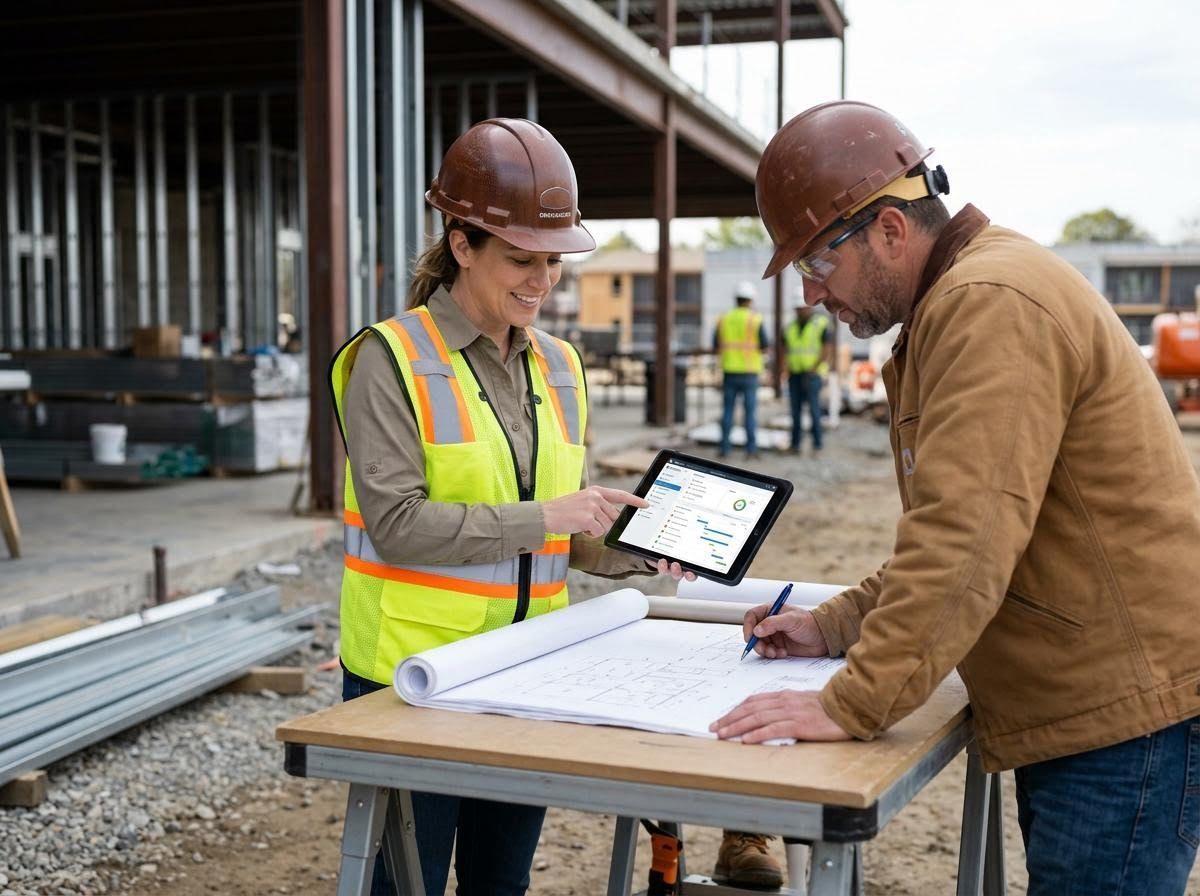
In today's fast-paced construction environment, technology is no longer an option but a necessity for streamlining subcontractor management. Adopting a centralized software platform can revolutionize how General Contractors interact with their subcontractors. Such solutions offer capabilities for digital document management, allowing for easy access to contracts, insurance documents, and compliance records. Real-time progress tracking and reporting enable GCs to monitor work more effectively and identify potential delays early. Furthermore, integrated communication tools simplify information exchange, while automated payment processes can ensure timely and accurate disbursements, fostering trust and improving cash flow for all parties involved. This shift towards digital workflows significantly reduces manual effort, minimizes errors, and provides a single source of truth for all project-related data.
Building Lasting Subcontractor Relationships
Beyond efficiency, streamlining subcontractor management is also about cultivating strong, reliable relationships. When General Contractors implement transparent processes, ensure fair payment terms, and provide clear expectations, subcontractors are more likely to perform at their best and remain committed partners. Technology plays a pivotal role here by providing the infrastructure for this transparency and fairness. By minimizing administrative burdens and fostering collaborative environments through digital tools, GCs can build a reputation as a preferred partner, attracting high-quality subcontractors for future projects. These long-term relationships are invaluable, contributing to consistent project quality, greater reliability, and a more predictable project pipeline for everyone involved.
Optimizing Your Subcontractor Workflow
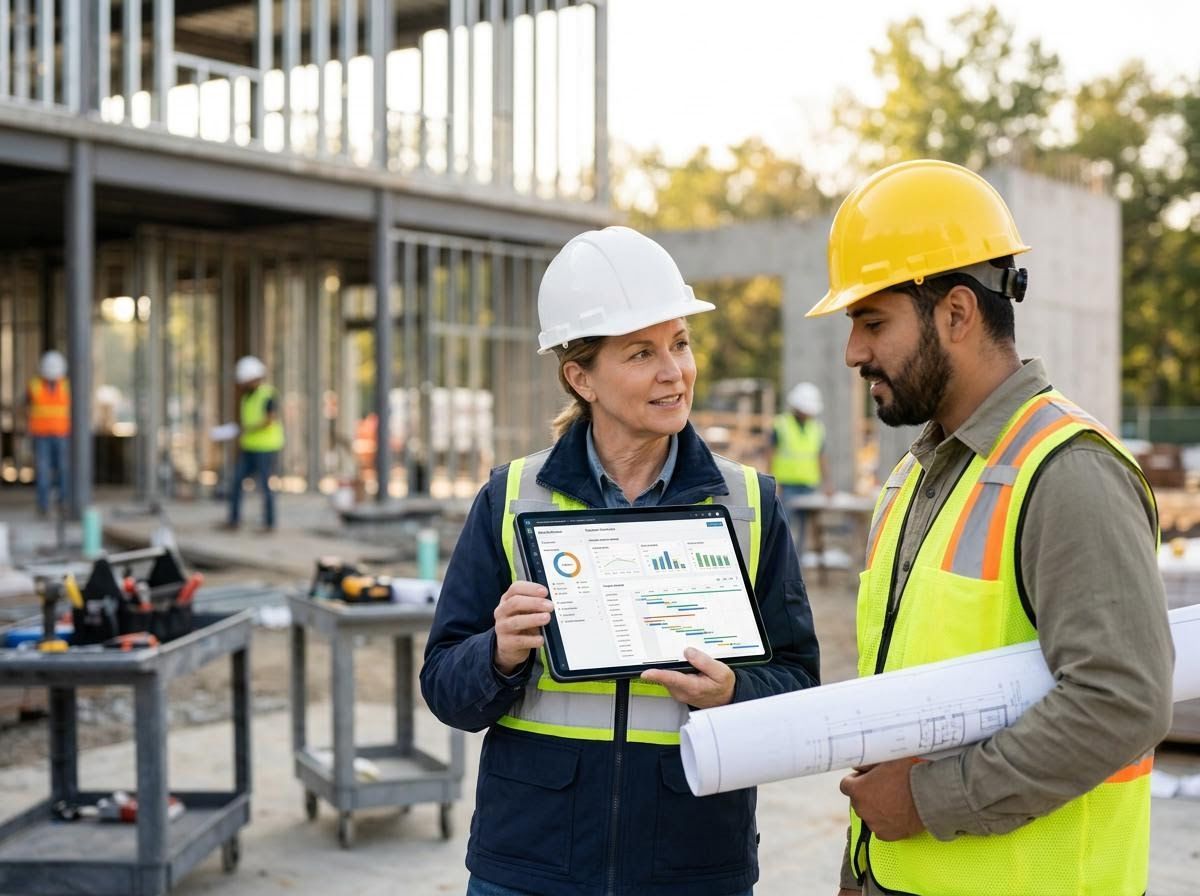
Effectively managing subcontractors is not just about oversight; it's about empowering collaboration, ensuring transparency, and ultimately, driving project success. By embracing structured strategies and leveraging innovative technological solutions, General Contractors can transform this often-complex area into a significant competitive advantage. For construction professionals seeking a truly integrated and user-friendly solution, exploring how a dedicated platform can transform your operations is a wise next step. Discover how Job Planner’s innovative software can simplify your subcontractor management and drive unparalleled project success.