
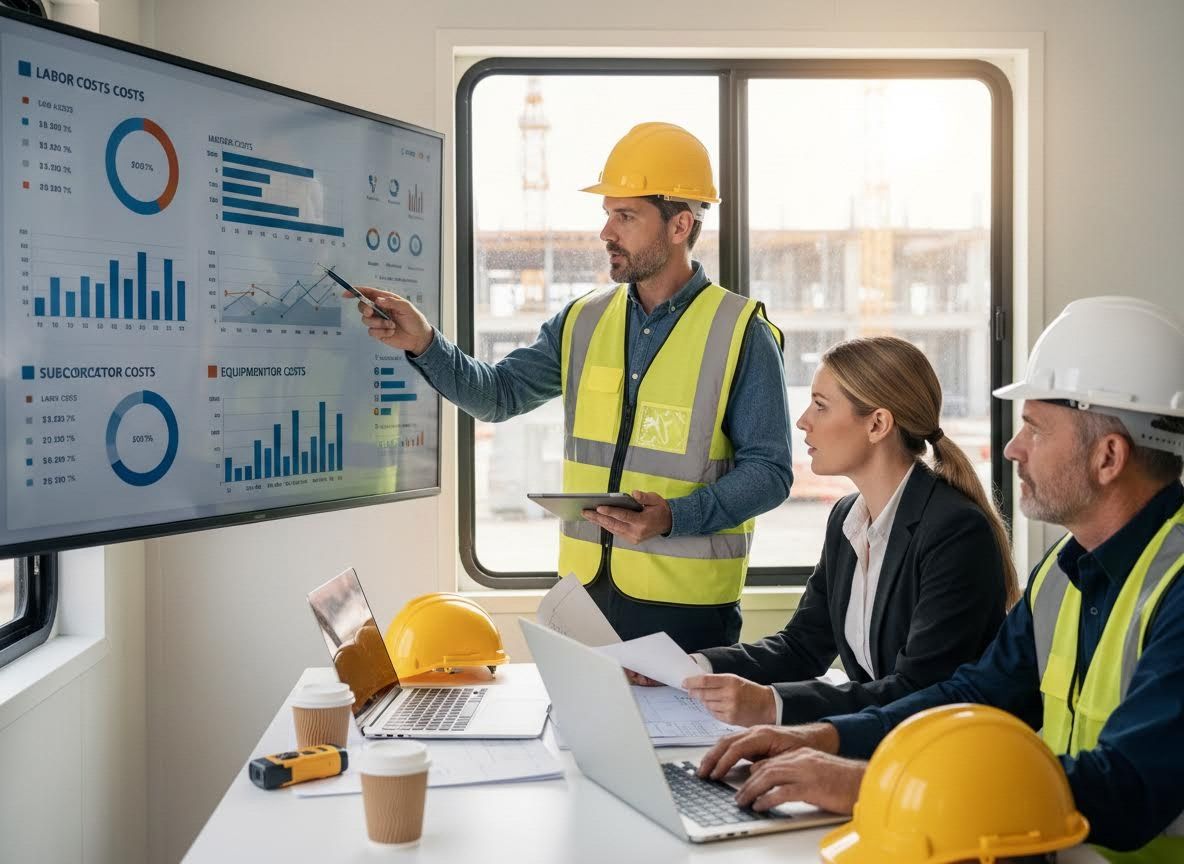
For construction company owners, mastering the financial intricacies of each project is not just about balancing books; it's about building a foundation for sustainable growth and ensuring every venture contributes to your bottom line. Accurate job costing and tracking are paramount to turning bids into profitable realities and identifying opportunities for efficiency. This comprehensive guide will explore the essential strategies for effective financial oversight, ensuring every dollar spent is accounted for and optimized. At JobPlanner, we understand the critical role these practices play in a contractor's success.

Understanding Job Costing: More Than Just Expenses
Job costing is the process of tracking all expenses related to a specific project, from its inception to completion. This isn't merely about tallying receipts; it's about attributing every labor hour, material purchase, subcontractor payment, and equipment cost directly to a particular job. The primary goal is to determine the actual profitability of each project. Without precise job costing, contractors risk underbidding and losing money, or overbidding and losing competitive advantage. It provides invaluable insights into where resources are truly being spent, allowing for informed decision-making and better control over project finances.
Key Components of Effective Job Tracking
Effective job tracking requires a diligent approach to monitoring various cost categories in real-time. This includes:
Labor Costs: Beyond hourly wages, this encompasses benefits, payroll taxes, and overhead associated with each worker on a specific project. Accurate time tracking is crucial here.
Material Costs: Detailed logging of all materials purchased and consumed, including delivery fees and waste.
Subcontractor Costs: Managing invoices, progress payments, and contract agreements with all third-party service providers.
Equipment Costs: Whether owned or rented, tracking the usage, maintenance, and depreciation of machinery allocated to a job.
Overhead Allocation: Determining a fair method to distribute general business expenses (office rent, administrative salaries, insurance) to individual projects.
The more granular and timely the data collection, the more accurate and useful your job tracking will be for project managers and financial teams.

Implementing a Robust Job Costing System
Establishing an efficient system is critical for seamless job costing. Start by creating a detailed budget for each project, breaking down estimated costs for every component. As work progresses, meticulously collect actual cost data and compare it against your budget. This variance analysis is key to identifying discrepancies early, allowing for corrective actions before they impact profitability significantly. Utilizing cost codes to categorize expenses uniformly across projects ensures consistency and simplifies reporting. Regular financial reviews and a clear audit trail are also essential to maintain accuracy and accountability throughout the project lifecycle.
Leveraging Technology for Superior Financial Control
In today's fast-paced construction environment, manual tracking methods are often insufficient. Leveraging specialized software designed for the construction industry can revolutionize your job costing and tracking capabilities. Such platforms enable real-time data entry, automated expense categorization, and instant reporting. They provide a centralized hub for all project financial information, from timecards to invoices, giving you a comprehensive, up-to-the-minute overview of your project's financial health. This integration significantly reduces administrative burden, minimizes errors, and empowers you to make proactive financial decisions.
By embracing robust job costing and tracking practices, contractors can transform their operational efficiency, enhance profitability, and secure a more prosperous future. These strategies provide the financial clarity needed to make informed decisions, optimize resource allocation, and consistently deliver projects on time and within budget. To explore how integrated solutions can elevate your project management practices and streamline your financial oversight, consider learning more about powerful construction management software.